What’s the Difference Between Web Design and Web Development?
People frequently use web design and web development as if they mean the same thing, but they solve different problems. Web design deals with how a site seems, feels, and directs visitors. Web development centers on how the site works behind the scenes and how all the interactive pieces work together. If you run a business in Buffalo, NY, grasping both matters because your website needs to do more than look good — it has to support SEO, digital marketing, and lead generation in a competitive local market.
For Buffalo businesses, the difference is very practical. A refined site that does not load well, is hard to update, or lacks responsive design will struggle with nearby searches and user engagement. A technically strong site with weak visuals or confusing navigation can erode trust quickly. The best results usually come from combining both disciplines into one strategy built for small business website success, conversion rate optimization, and long-term growth across Western New York.
Understanding Web Design?
Web design is the creative and strategic process of crafting a website’s look and user flow. It includes the user interface, user experience, visual layout, website layout, and branding that make a site feel easy to understand, reliable, and straightforward to use. Good design is not just about colors and fonts. It is about creating a smooth user journey that helps visitors understand where they are, what they should do next, and why they should stay.
Designers think carefully about website aesthetics, visual hierarchy, and accessibility. They organize how content will appear on desktop and mobile, how interactive elements will behave, and how to keep the site mobile-friendly for users browsing on the go. A strong design also supports brand consistency, so a Buffalo law firm, restaurant, or contractor looks recognizable across its website, social media, and ads.
In practice, web design often starts with research and planning. Designers may create wireframes to plan the page structure before adding colors, imagery, and style choices. Then they build prototypes to test ideas and improve the experience before the final build. This process helps teams make smart decisions about content placement, calls to action, and engagement.
For example, a restaurant in the Theater District might need a homepage that quickly features hours, menu items, reservations, and directions. A healthcare practice in Allentown may need a calm, clean design that creates confidence and makes it easy to request appointments. In each case, the design choices support the visitor’s goals and the business’s goals at the same time.
What Is Web Development?
Web development is the technical process that makes a website function. It includes front-end development, back-end development, and the use of programming languages to transform design concepts into a working digital product. If web design is the blueprint and visual plan, web development is the construction process that brings the site to life.
Client-side development manages what users see and interact with in the browser. Developers use HTML, CSS, and JavaScript to build the interface, style the pages, and create features like sliders, menus, forms, and animations. This part of development works closely with the design team to ensure the finished site matches the approved look while remaining functional and fast.
Server-side development runs the server, database, and application logic behind the scenes. This is where user submissions get stored, products are processed, and website data is managed securely. Many websites also rely on a content management system so business owners can update pages, blogs, images, and services without needing to code everything manually.
Development also affects organization, security, and scalability. A good developer builds the site architecture so pages connect logically, forms work properly, and future updates are manageable. This matters for growing businesses in Buffalo because a site that works well today should still support new pages, service areas, and features later. Strong development supports performance, stability, and bespoke functionality that design alone cannot provide.
Web Design and Web Development: Main Differences
The easiest way to see the distinction is this: web design focuses on the design process, while web development focuses on technical implementation. Designers determine how the site should look and feel. Developers choose how it should work and how features should be built. Both roles are essential, but they contribute in different ways.
Design is often driven by branding, content flow, and emotional impact. It asks questions like: Is the message clear? Does the layout support the user’s goals? Are the buttons obvious? Is the page easy to scan? Development focuses more on whether the site performs correctly, supports forms, connects to databases, and works across browsers and devices.
Responsiveness is a good example of where the two disciplines overlap. Designers map out layouts that adapt to different screen sizes. Developers turn those layouts into code so the website looks and behaves correctly on phones, tablets, and desktops. A responsive site is not just visually flexible; it is also functionally reliable.
Site functionality is another major difference. Design affects which features users notice and how they move through the site. Development makes those features work. For instance, a contact form, booking tool, online payment option, or searchable service directory all depend on development. The design may make the feature easy to find, but the code makes it operate.
Here is an easy way to understand it:
- Design shapes the experience, visual structure, and brand presentation.
- Development builds the systems, logic, and interactive behavior.
- Both influence how users feel, how long they stay, and whether they convert.
For Buffalo companies competing with nearby businesses across Erie County, the difference matters because both a strong first impression and reliable performance can affect inquiries, calls, and sales. A well-designed site that fails to function properly loses trust. A well-developed site that looks outdated can also hurt credibility.
In What Way Web Design and Development Collaborate
Web design and development work most effectively through close collaboration. The process typically starts with planning, moves through wireframes and prototyping, and ends with coding, testing, and the launch process. When both teams communicate clearly, the final website is easier to use, more attractive, and more successful.
Sunstone Digital Tech50 Fountain Plz #1400, Buffalo, NY 14202
(315) 758-3349
https://maps.app.goo.gl/y9HMhvcoPCh9V3eKA
https://sunstonedigitaltech.com/buffalo-marketing-agency/web-design
42.8898193, -78.8738661
Designers often establish the page structure, content priorities, and brand direction first. Developers then review those plans to identify what is possible, what needs adjustment, and what technical requirements should be included. This two-way process prevents problems later, such as layouts that are difficult to code or features that do not match the intended experience.
For example, if a Buffalo contractor wants a custom service-request form and photo gallery, the designer may create a simple user flow that puts those features near the top of the page. The developer then builds the form logic, gallery functionality, and any database connections needed to manage leads. Together, the team creates a smoother experience than either one could deliver alone.
Testing is another critical part of the process. Before launch, teams review responsiveness, browser behavior, loading issues, accessibility, and content formatting. This stage protects performance optimization and helps minimize errors. It also ensures the website supports the business’s broader content strategy and marketing goals.
In short, web design sets the direction, and development makes it real. The strongest websites usually begin with a shared plan rather than two separate efforts. That is especially true for businesses that need their site to support leads, local visibility, and long-term scalability.
Why Buffalo, NY Organizations Need
Buffalo, NY is a crowded local market where businesses need websites that perform well for nearby searches and convert visitors into customers. Whether you serve downtown professionals, families in the suburbs, or customers in neighborhoods like Elmwood Village, Allentown, or the Theater District, your site needs to stand out and deliver a memorable experience. That means combining design, development, and local marketing strategy.
Local SEO is a primary reason both matter. Search engines look at more than just keywords. They also evaluate page experience, mobile usability, loading speed, and how well a site answers user intent. A polished design helps keep visitors engaged, while solid development supports the technical requirements that improve search visibility.
For many Buffalo businesses, especially small and family-owned companies, the website is the first impression and often the most critical sales tool. A restaurant, medical practice, home service company, or law firm may use its site to build trust before someone ever makes a call. That is why small business growth often depends on more than visuals alone. The site must also support conversion optimization, lead capture, and easy contact options.
Regional competition across Western New York makes this even more important. If another local company has a faster, clearer, more mobile-friendly website, they may win the lead even if your business offers the better service. That is why Buffalo companies should view https://gregoryzvco568.iamarrows.com/upcoming-local-happenings-in-lackawanna-ny web design and development as a integrated investment in credibility, visibility, and revenue.
Here is a simple example: a Buffalo home service company wants to reach homeowners in Amherst, Cheektowaga, and downtown Buffalo. The site needs strong branding, easy navigation, and clear service pages. It also needs local schema support, fast performance, and forms that actually work. Design helps the company look trustworthy. Development helps the company function like a lead-generating machine.
When to Hire a Web Designer, Web Developer, or Both
The best option depends on your project scope. If your goal is a visual refresh, stronger branding, or a stronger layout, a web designer may be enough to start. If you need a booking system, tailored functionality, or a complex backend setup, a developer is essential. When you need a complete website that appears professional and works reliably, hiring both is usually the best move.
A website redesign often benefits from a designer first, especially if the current site seems old-fashioned or has limited ease of use. The designer can improve organization, content flow, and visual hierarchy. Then a developer can rebuild the pages, improve responsiveness, and ensure the new experience functions on all devices. This is especially helpful for businesses with an older site that no longer reflects their brand.
If you need a custom website, development becomes even more important. Specialized forms, member portals, estimate tools, online ordering, appointment booking, or integrations with other tools all require technical work. Design still matters, but the development side carries more of the workload.
Maintenance is another factor. Websites are not one-time projects. They need updates, security checks, content changes, plugin support, and bug fixes. If your site runs on a content management system, someone must keep it current and stable. That is why many businesses in Buffalo choose ongoing support instead of one-and-done builds.
As a rule:
- Hire a designer for branding, layout, and visual improvements.
- Choose a developer for functionality, integrations, and technical buildout.
- Hire both for full website projects, redesigns, or growth-focused builds.
How Web Design Relates to SEO and Digital Marketing
Web design and engineering both back seo services and digital marketing because they determine how users and search engines interact with your site. Effective design improves clarity, encourages engagement, and reduces friction. Good development improves the technical foundation that helps pages get crawled, indexed, and loaded efficiently.
Design affects SEO by influencing content readability, internal pathways, and user behavior. If a visitor lands on a page and quickly understands where to go next, they are more likely to stay and interact. That can support stronger engagement signals. Clear headers, readable typography, and logical page structure also improve content scanning, which helps people find what they need faster.
Development supports technical SEO by making sure the site is structured well, loads efficiently, and works correctly across devices. Clean code, optimized images, proper metadata handling, and fast scripts all contribute to better page speed and healthier search performance. Search engines favor sites that deliver a smooth experience.
For Buffalo businesses, these details can directly support lead generation. A dental office in Buffalo, for example, may want more calls from local patients searching for emergency appointments. A strong site with a clear CTA, location-focused content, and fast loading can improve the odds that visitors convert. That is where design, development, and marketing come together.
Well-planned websites also support broader campaigns. Paid ads, email, social media, and organic search all work better when the landing pages are clear and persuasive. If your digital marketing strategy sends traffic to a weak page, you waste opportunity. If it brings traffic to a well-designed, well-built page, your return improves.
How AI Experts Fit Into Modern Website Projects
AI experts are becoming more involved in modern website projects because businesses want smarter workflows, better customer support, and more personalized digital experiences. AI does not replace web design or web development, but it can enhance both. It can also improve automation, chatbots, and personalization in ways that help businesses operate more efficiently.
In design, AI can support the analysis of content patterns, propose layout concepts, or improve testing workflows. For development, AI can enable code generation, debugging, and content automation. That said, human expertise still matters. A website still needs strategic insight, brand judgment, and technical oversight to ensure high quality, security, and usability.
A valuable application is a chatbot that answers common questions after hours. A Buffalo medical practice might use one to help visitors book appointments or find office information. A contractor may use one to collect project details from leads outside business hours. These tools can remove friction and speed up responses when built and configured correctly.
AI can also support personalization by tailoring content to visitor intent, location, or behavior. For example, a site could highlight different services for Western New York customers versus more general regional visitors. When used carefully, personalization can improve relevance and support conversion.
However, AI works best when guided by experienced professionals. AI experts can help select the right tools, connect them to the website, and make sure automation supports the business instead of creating confusion. For businesses in Buffalo that want to stay competitive, AI is best viewed as a layer on top of strong design, strong development, and smart marketing.
Frequently Asked Questions
Is web design the same as web development?
Not exactly. Web design focuses on the look, layout, and user experience of a site, while web development focuses on the code and functionality that make it work. Design shapes the visual experience. Development builds the technical systems behind it.
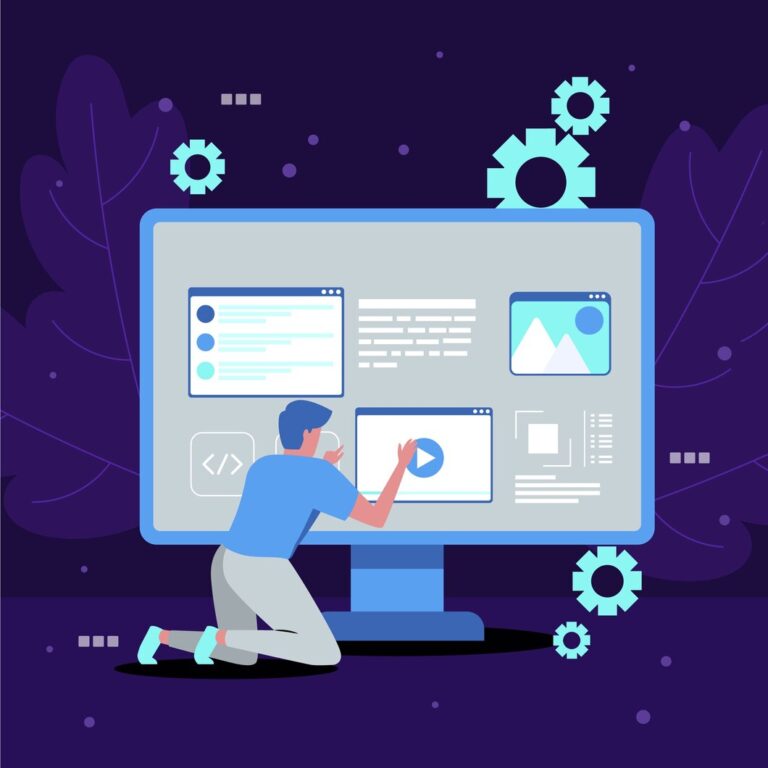
Do I need both web design and web development for my Buffalo business website?
In most cases, yes. A Buffalo business website usually needs both to perform well in local searches, support mobile users, and convert visitors into leads or customers. Design helps with trust and clarity, while development ensures the site is fast, functional, and scalable.
What comes first: web design or web development?
Web design usually comes first because it sets the structure, visual style, and user flow before coding begins. Developers then build the approved concept into a working website. In a successful project, both teams collaborate early so design and technical needs stay aligned.
In what way do web design and SEO work together?
Web design supports SEO by making content easier to read, pages easier to navigate, and visitors more likely to stay interested. Strong layouts, clear calls to action, and mobile-friendly design all help improve the user experience, which supports search visibility and conversion rate optimization.
Can AI experts help with web design and web development?
Yes. AI experts can help add automation, chatbots, personalization, and smarter workflow tools to a website project. They can also support content planning and technical tasks, but they work best as part of a larger team that includes design, development, and marketing strategy.